



A team of world-class experts in Indigenous Knowledge Systems — united by kaupapa.
Meet our experts
Scroll down to read their full bios
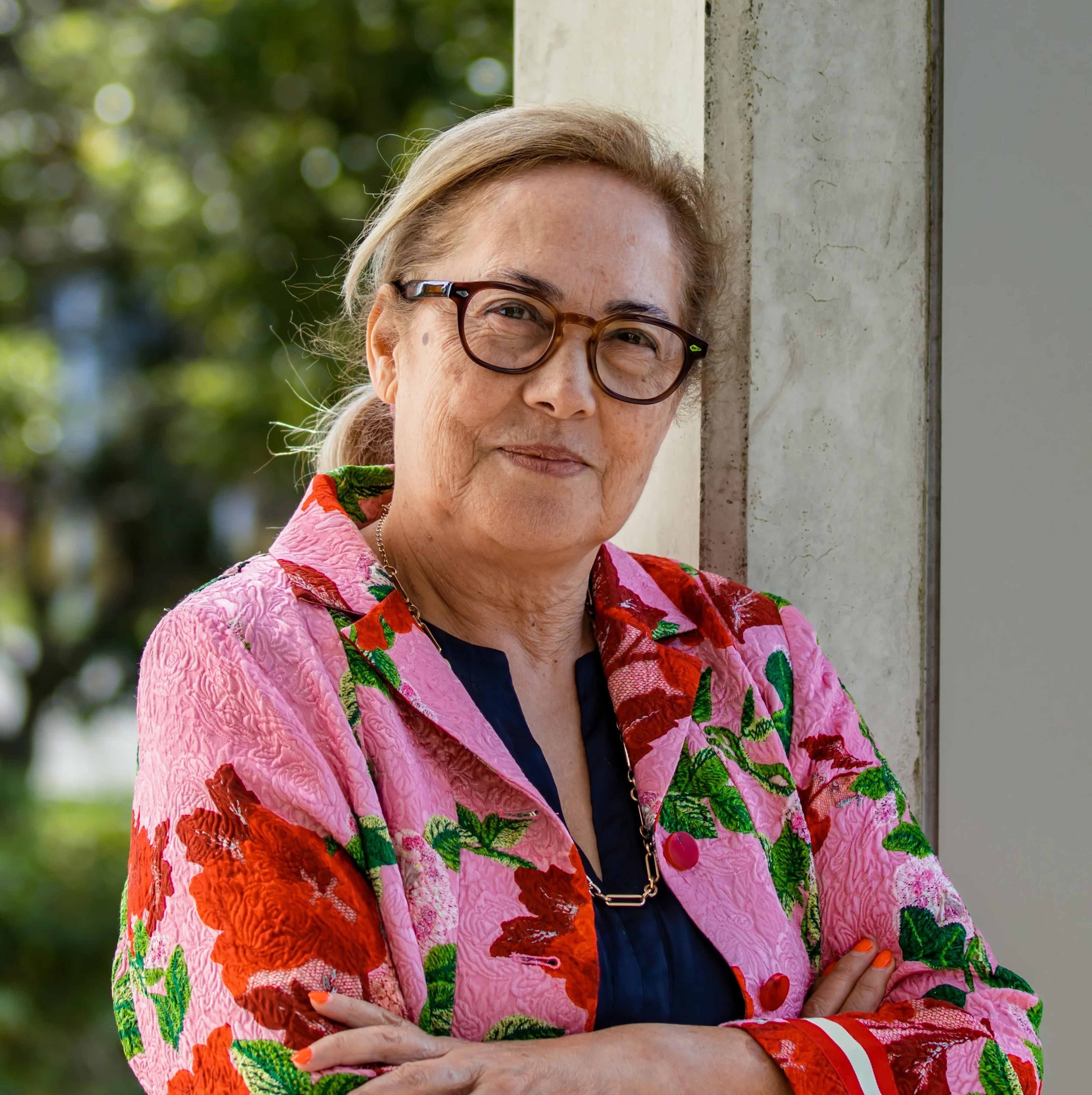
Professor Linda Tuhiwai Smith
Ngāti Awa, Ngāti Porou
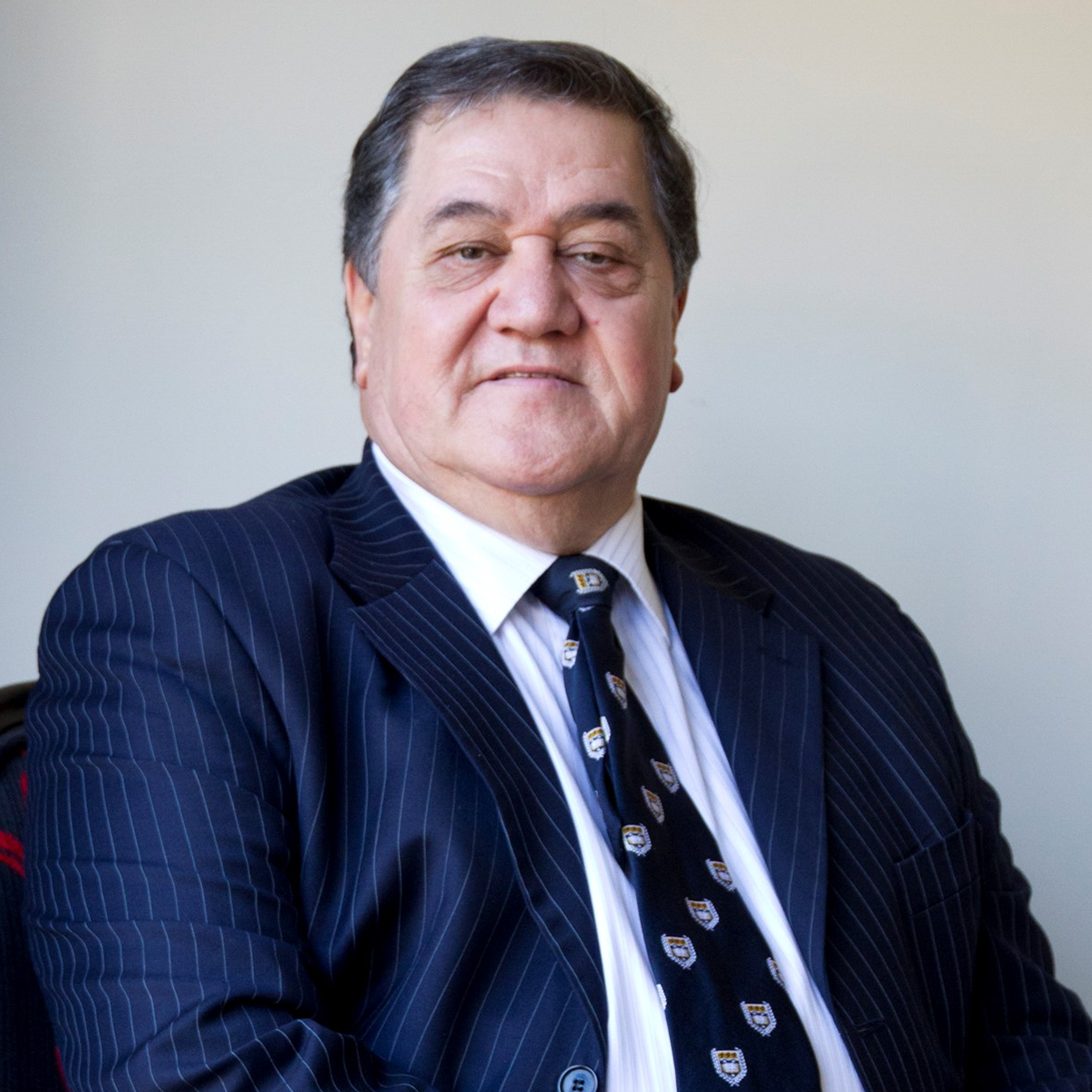
Professor Graham Hingangaroa Smith
Ngāti Porou, Ngāi Tahu, Ngāti Apa, Ngāti Kahungunu

Professor Hēmi Whaanga
Ngāti Kahungunu, Ngāi Tahu, Ngāti Māmoe, Waitaha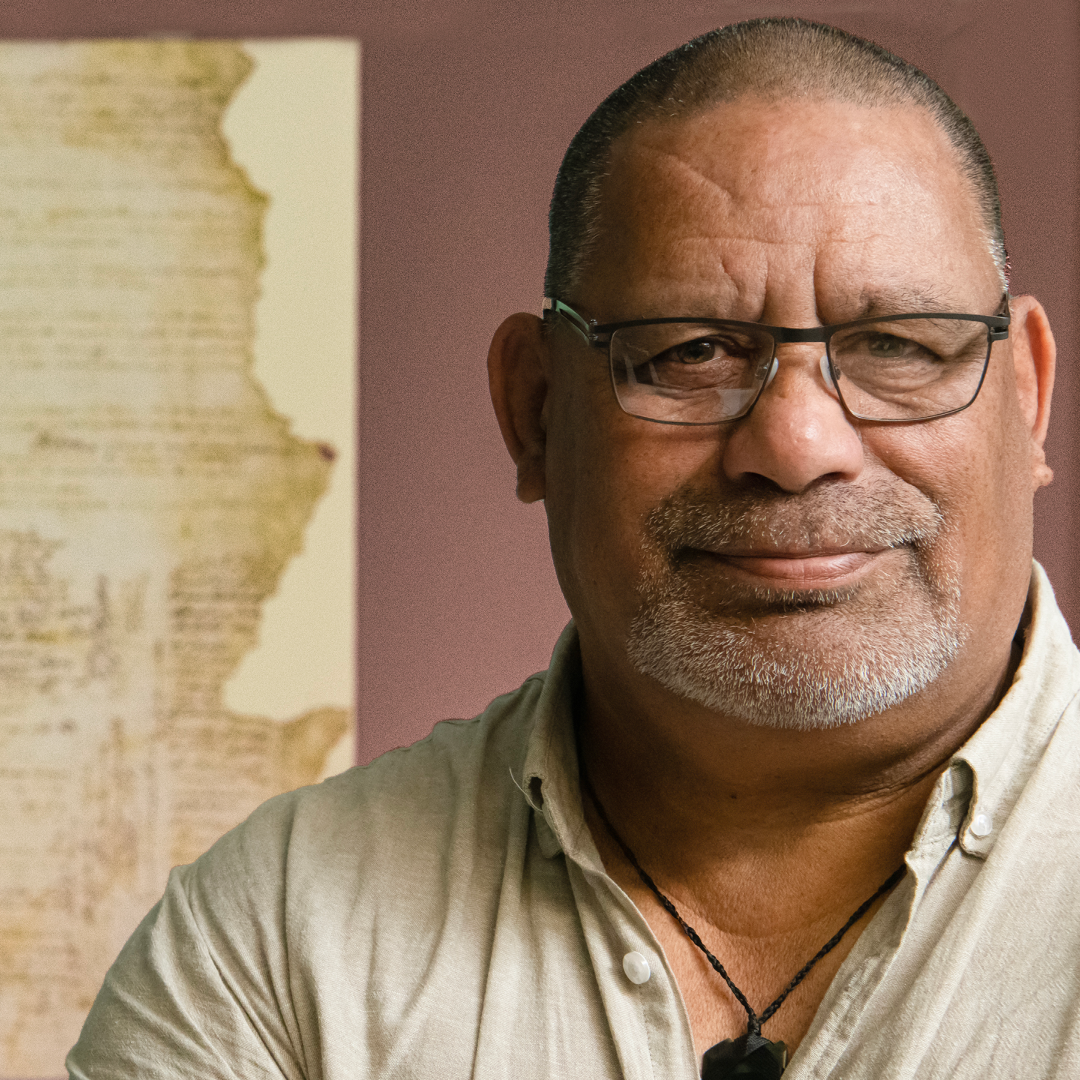
Dr. Kevin Shedlock
Ngāpuhi, Ngāti Porou, Te Whakatōhea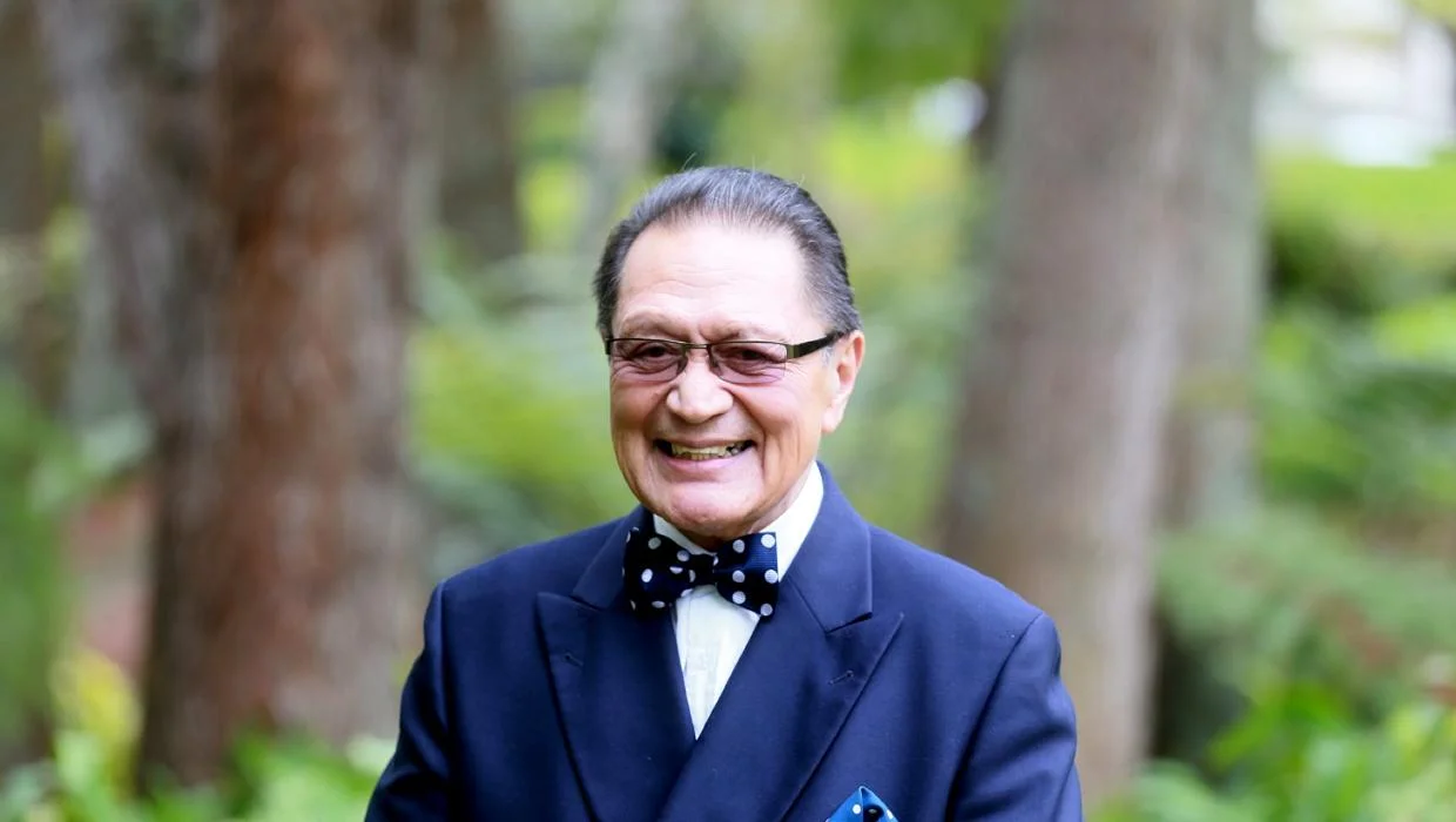
Professor Pou Temara
Ngāi Tūhoe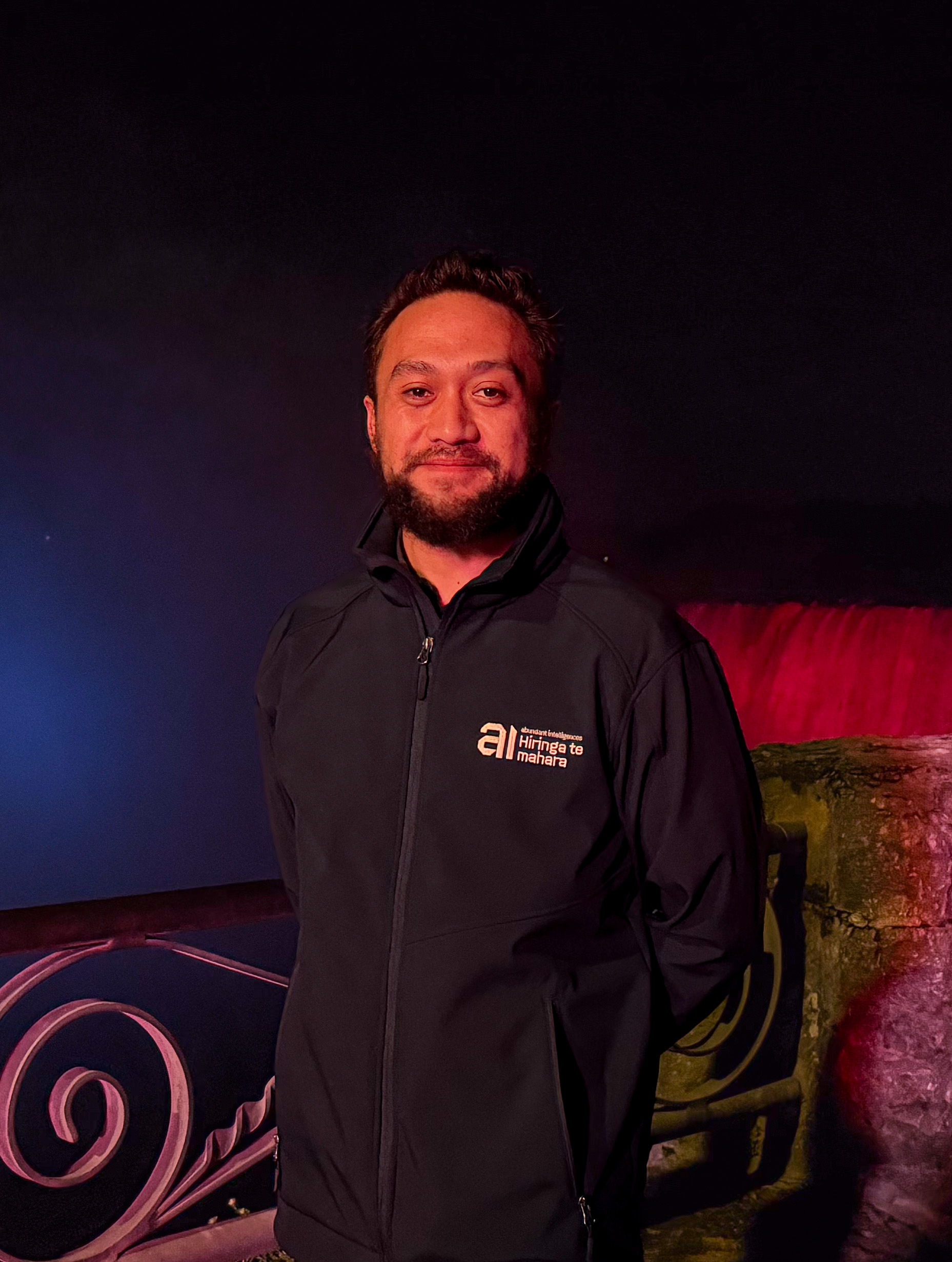
Tiriana Anderson
Ngāti Rereahu, Ngāti Hikairo, Tainui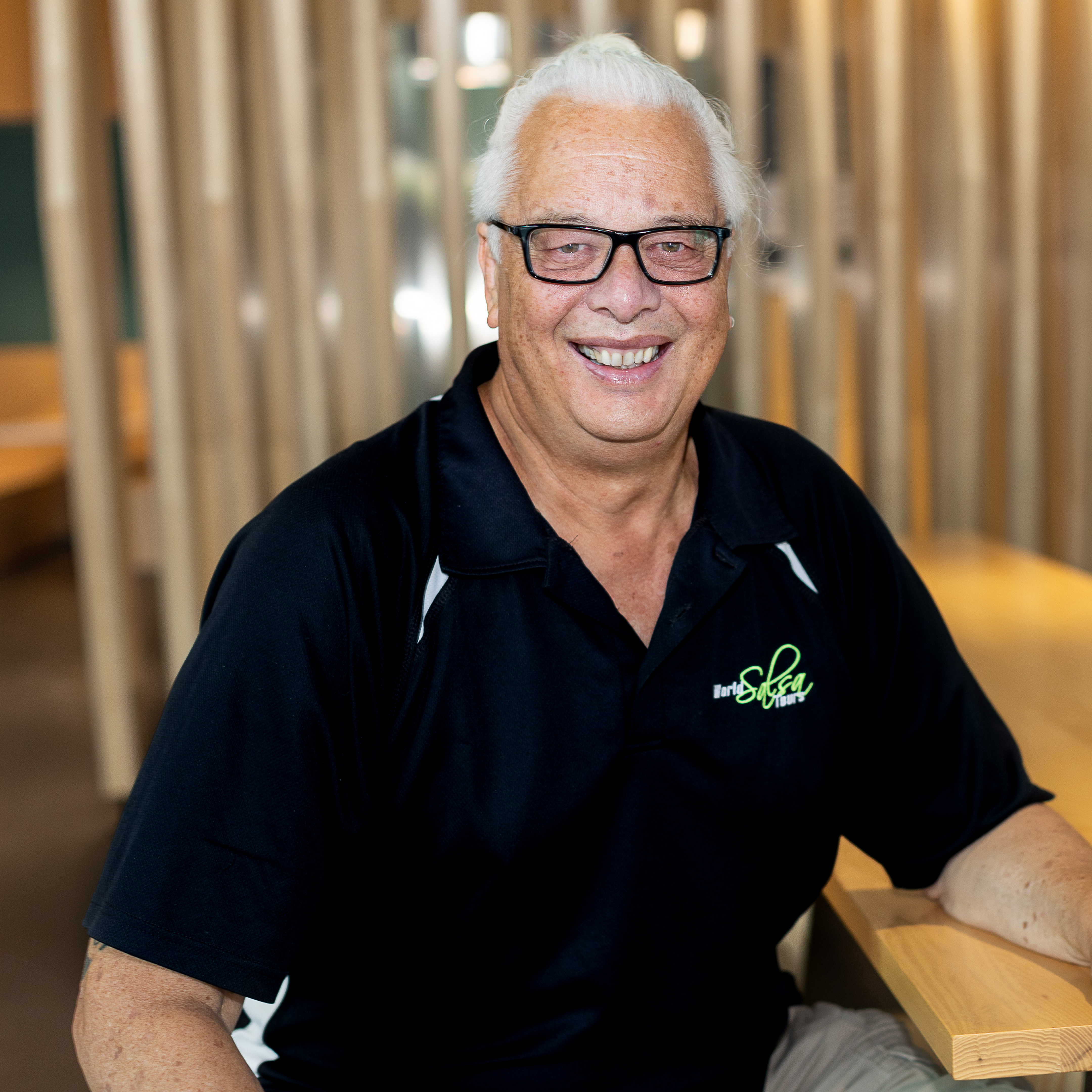
Dr. Petera Hudson
Te Whakatōhea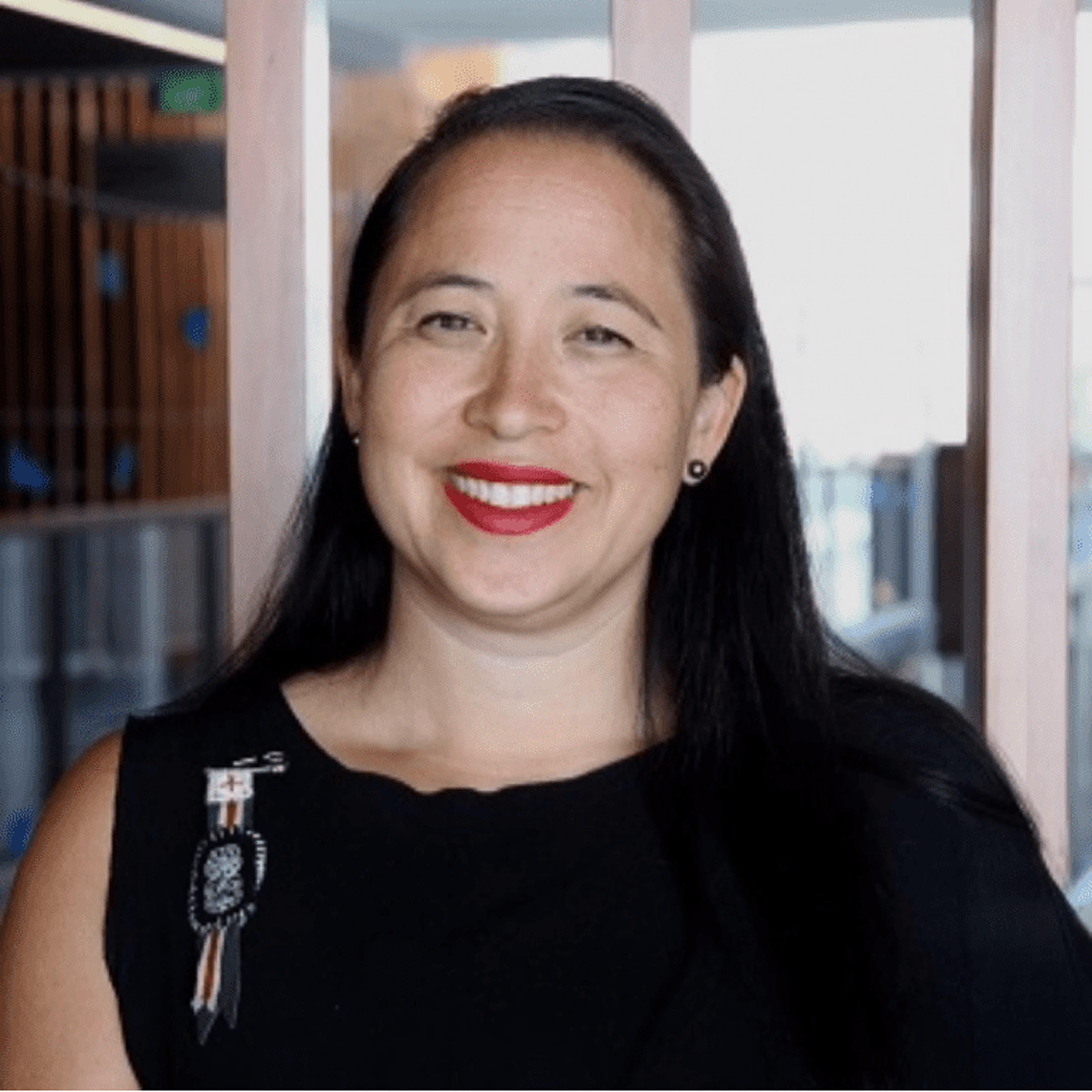
Dr. Melanie Cheung
Ngāti Rangitihi, Te Arawa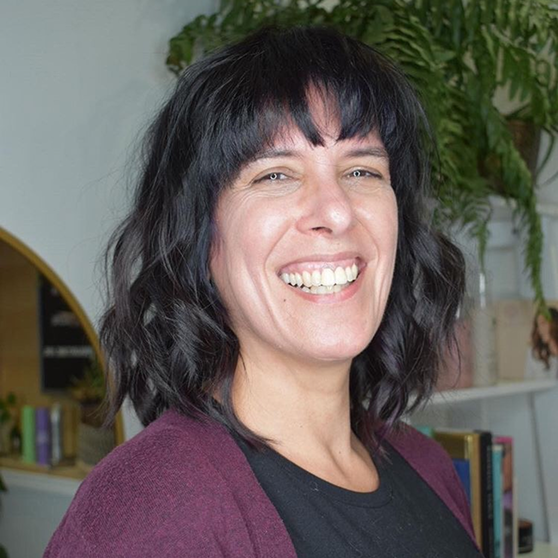
Dr. Michelle Lee Brown
Euskalduna, Lapurdi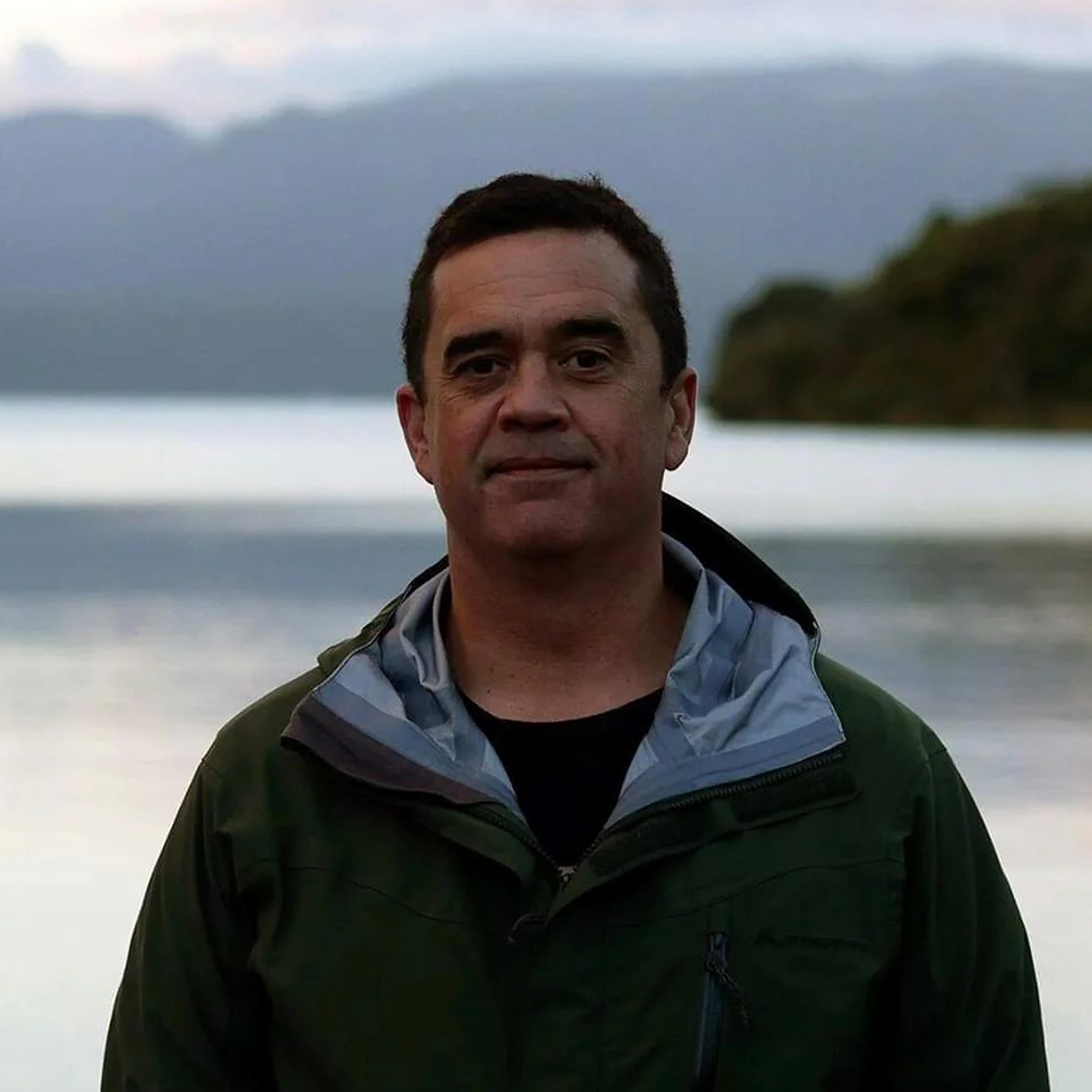
Professor Rangi Mātāmua
Ngāi Tūhoe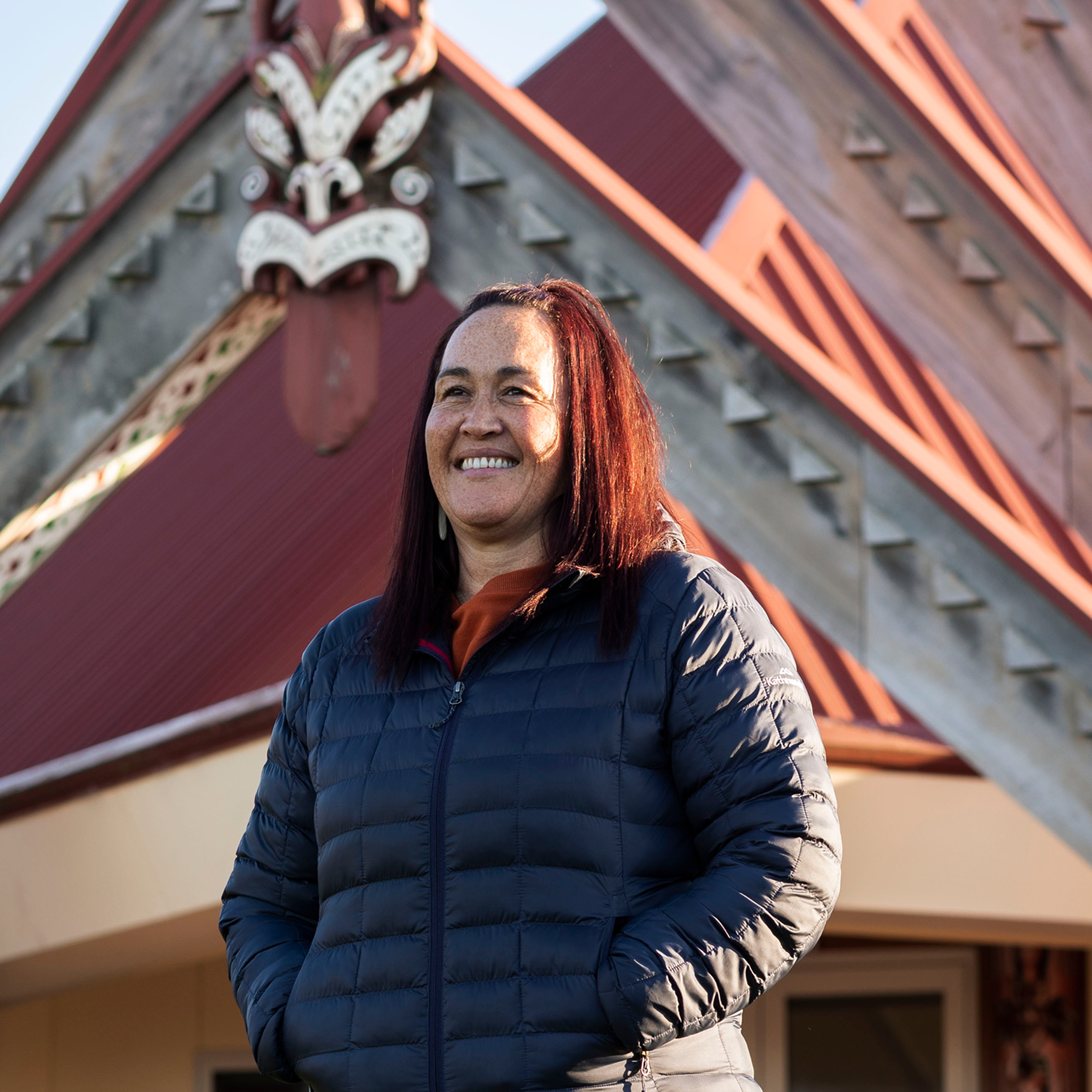
Nadia Jones
Ngāti Ruanui, Ngāti Maniapoto, Ngāti Pāoa, Ngāti Tamatera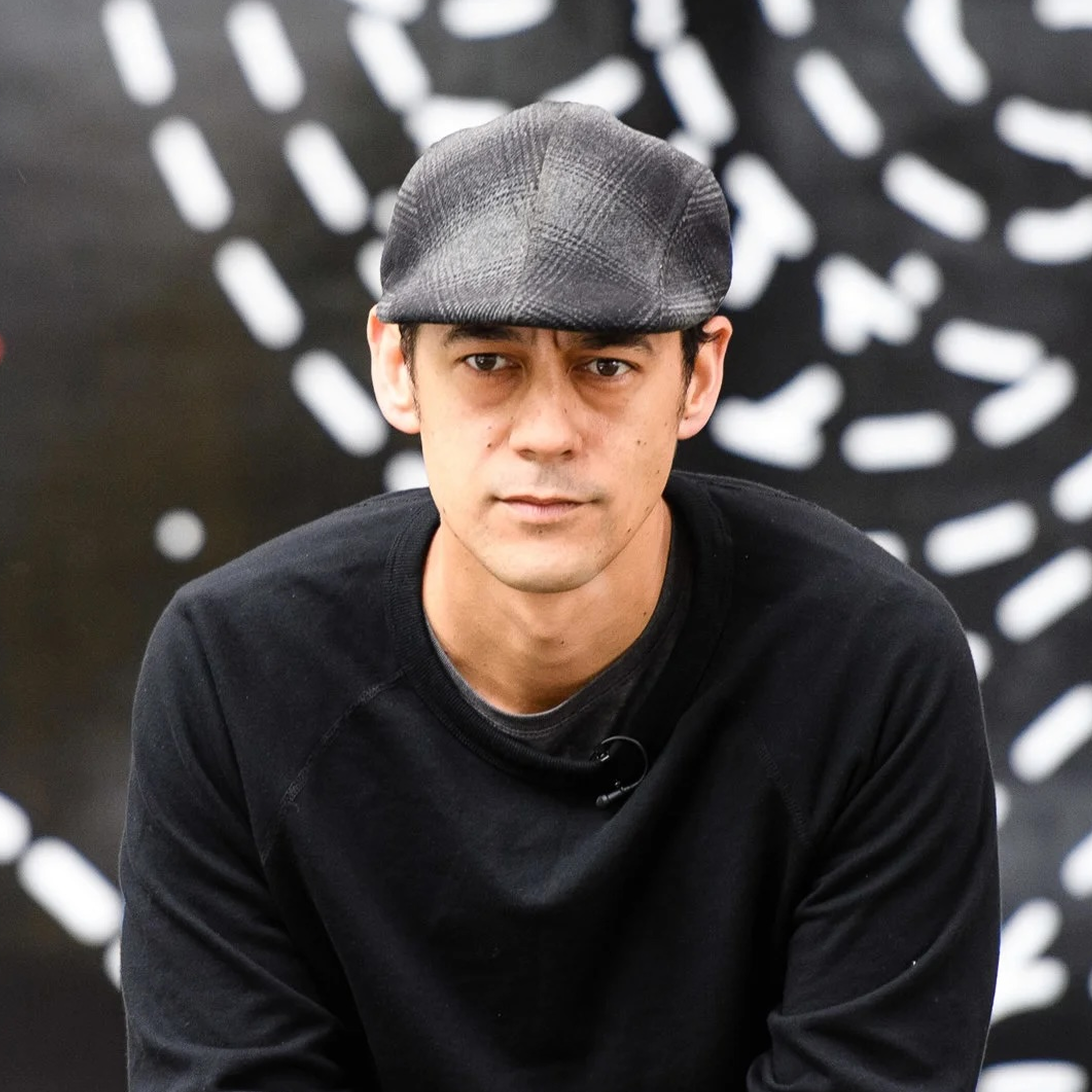
Professor Johnson Witehira
Tamahaki, Ngāi Tū-te-auru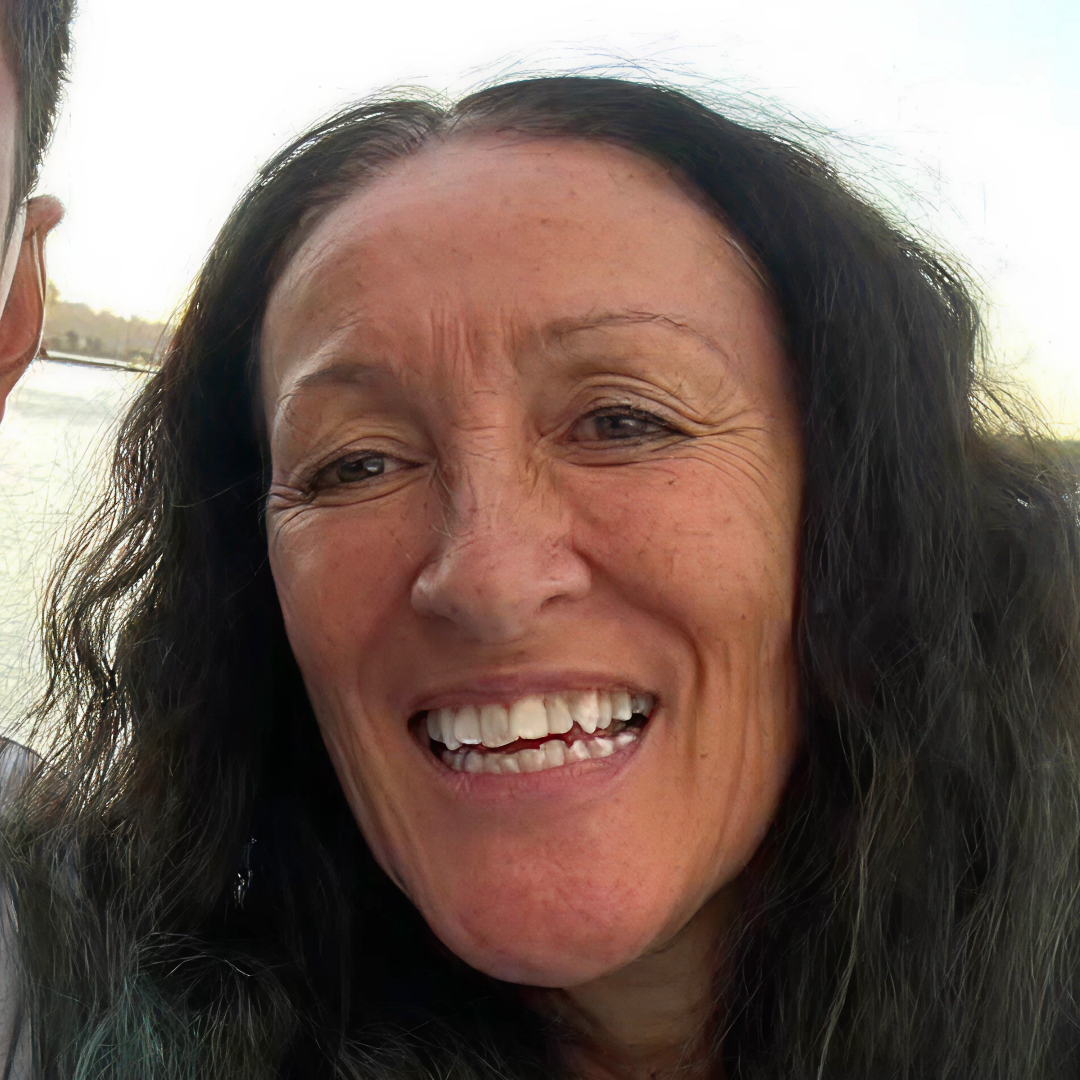
Sara Stratton
Ngāti Awa, Ngāti Porou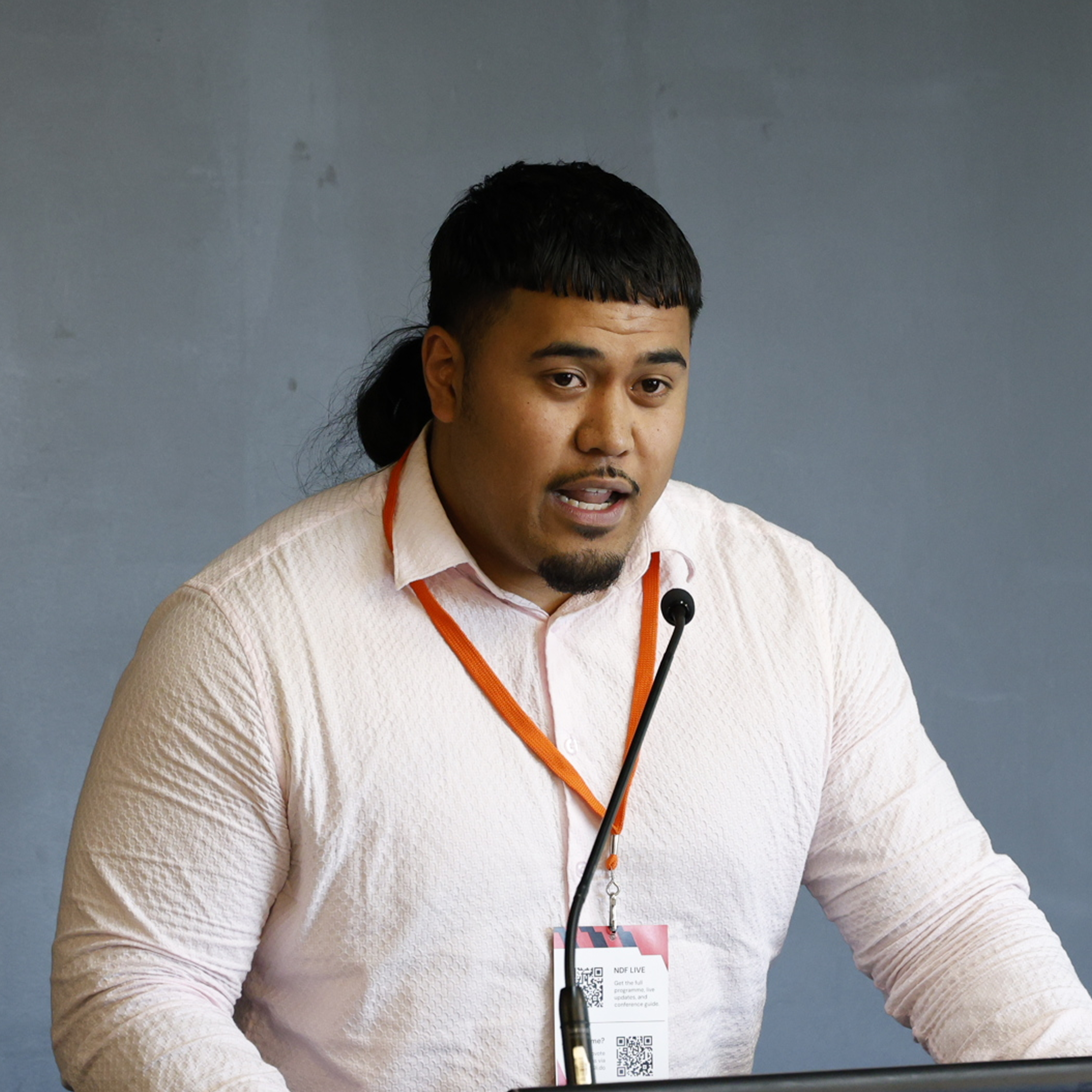
Vailahi Vailahi
Tuvalu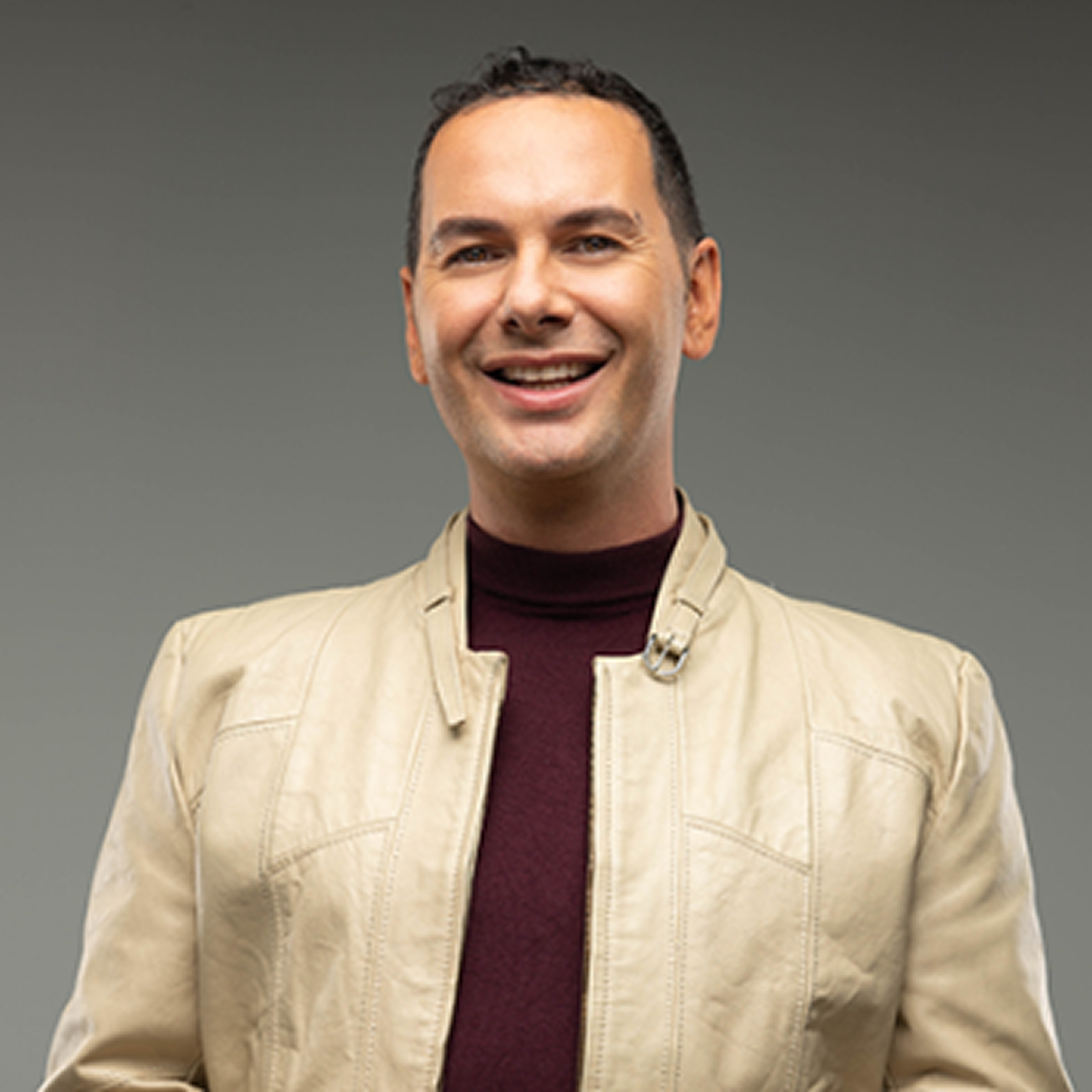
Peter-Lucas Jones
Te Aupōuri, Ngāi Takoto and Ngāti Kahu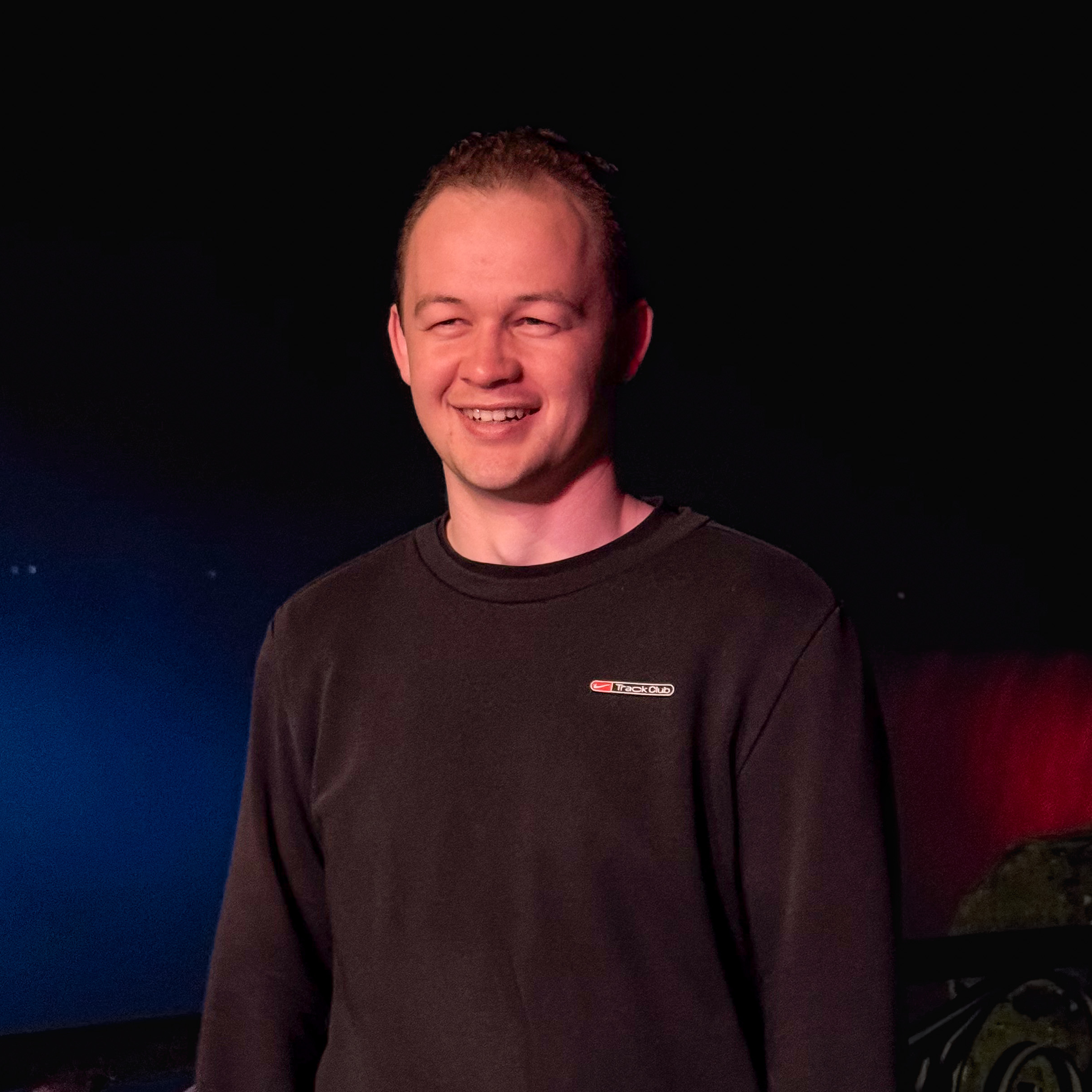
Laurie Lloyd Jones
Ngāi Tūhoe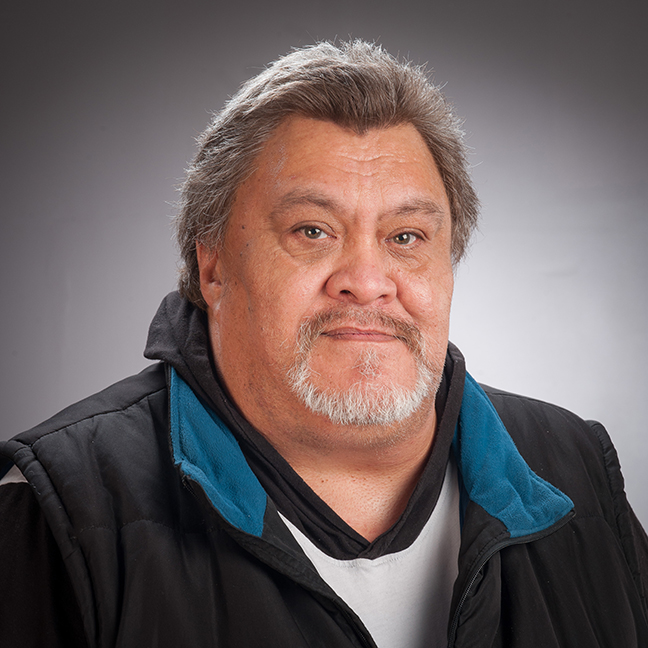
Jamey Hepi
Ngāpuhi
Keoni Mahelona
Kanaka Māoli
Libby Gray
Ngāti Rēhia, Ngāti Uepōhatu, Tama Ūpoko ki te awa o Wanganui, Ngāti Tūwharetoa
Lillian Bartlett
Ngāti Tūwharetoa, Te Whānau-ā-Apanui, Te Arawa, Ngāti Tahu - Ngāti Whaoa, Ngāi Tūhoe, Ngāti Tipa
Bobi Rose
Taranaki, Te Ātiawa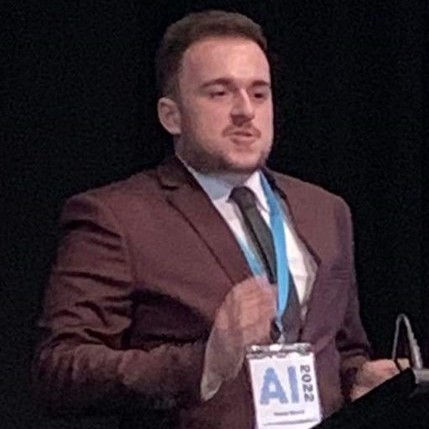
Jesse Wood
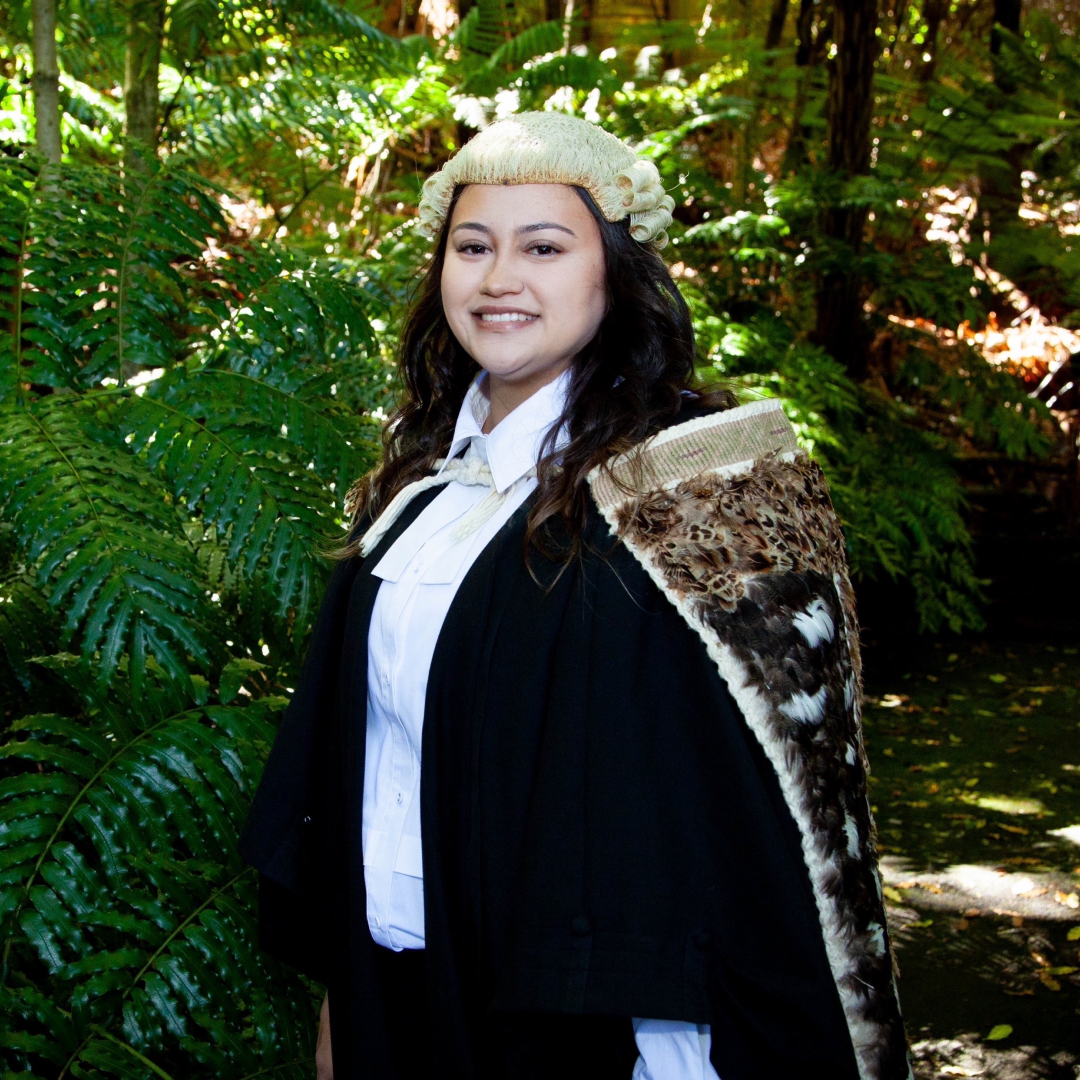
Hannah-Rose Smith
Ngāti Ranginui and Ngāti Raukawa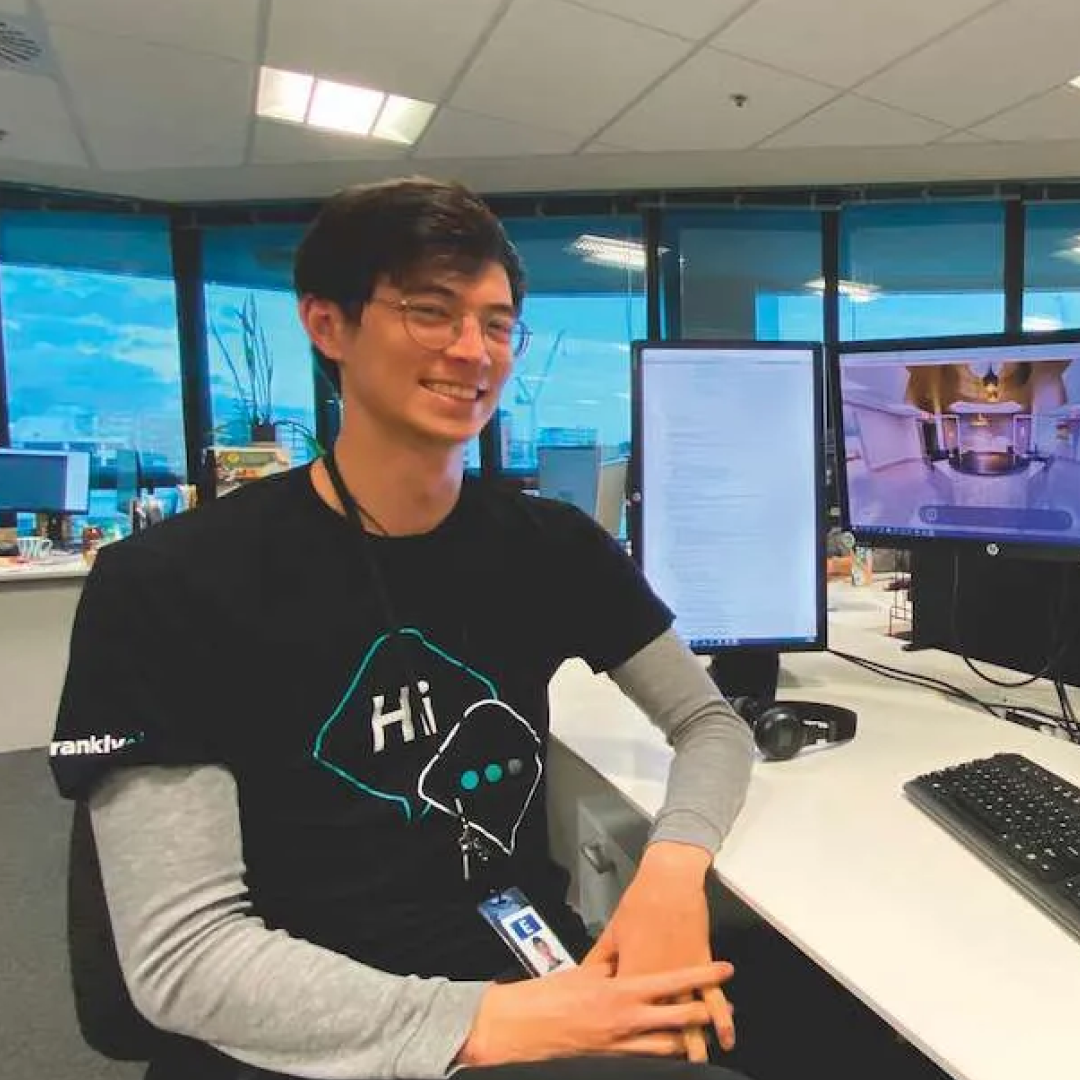
Puna Walker
Whakatōhea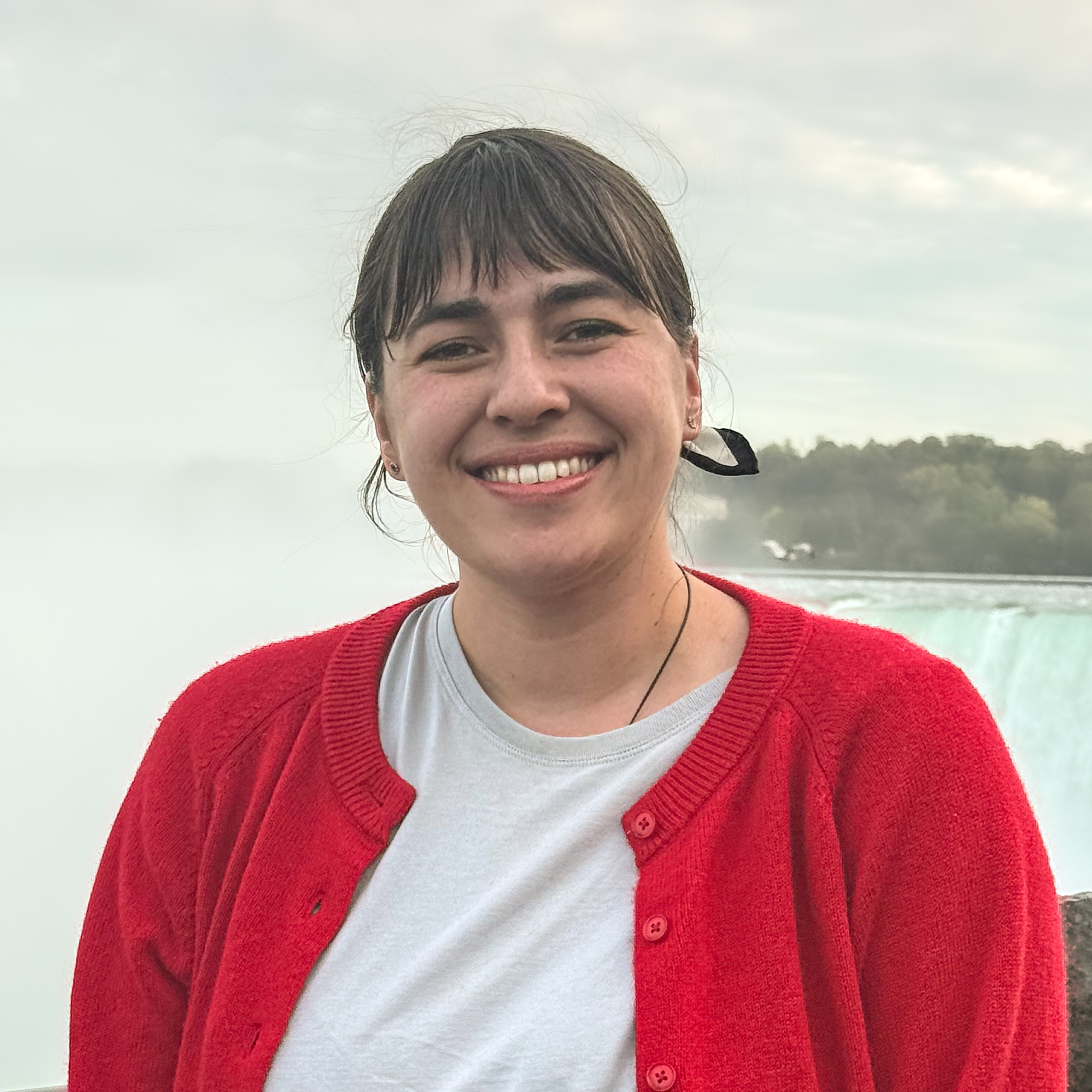
Kimiora Whaanga
Ngāpuhi, Ngāti Kahungunu, Ngāi Tahu, Ngāti Māmoe, Waitaha
Renee Waiwiri
Ngāti Tara, Ngāti Naho, Ngāti HineuruOur teams backgrounds

Linda Tuhiwai Smith
Ngāti Awa, Ngāti Porou
Dr. Linda Tuhiwai Te Rina Smith (Ngāti Awa, Ngāti Porou) is a Distinguished Professor at Te Whare Wānanga o Awanuiārangi. Her academic career is grounded in her love of teaching and research that makes a transformative difference in Māori, Indigenous, and diverse other communities. She was the founding Co-Director of New Zealand’s Māori Centre of Research Excellence Nga Pae o Te Māramatanga and implemented a national support programme to develop 500 Māori doctoral graduates within 5 years, which has exceeded its target by 200% and seen the first program graduates become leading researchers and directors of various centres of excellence. Previously, she was the Pro-Vice Chancellor Māori, Dean of the School of Māori and Pacific Development and Director of Te Kotahi Research Institute at the University of Waikato. Smith is the author of Decolonizing Methodologies, one of the seminal texts in Indigenous studies, decolonial studies, and research methodology. Smith’s research is trans-disciplinary with a recognized international reputation in Indigenous education, Indigenous health, and decolonizing research methodologies. She has served on several Cabinet-appointed high-level advisory boards and has considerable public sector governance experience. She has held various leadership roles in transdisciplinary projects based in strong community engagements since the late 1980s.
Linda Tuhiwai Smith (CNZM) is author of Decolonizing Methodologies, which articulates a framework for Indigenous people to undertake research on their own terms and to the benefit of their communities. Distinguished Professor at Te Whare Wānanga o Awanuiārangi, her scholarly work inspired and sustains ongoing efforts to re-centre Māori and Indigenous knowledge practices within the academy and in relationship to community. She will contribute to the project’s understanding of how to integrate Indigenous and Western research and research-creation methodologies.
Linda Tuhiwai Smith (CNZM) is author of Decolonizing Methodologies, which articulates a framework for Indigenous people to undertake research on their own terms and to the benefit of their communities. Distinguished Professor at Te Whare Wānanga o Awanuiārangi, her scholarly work inspired and sustains ongoing efforts to re-centre Māori and Indigenous knowledge practices within the academy and in relationship to community. She will contribute to the project’s understanding of how to integrate Indigenous and Western research and research-creation methodologies.

Graham Hingangaroa Smith
Te Aitanga a Hauiti, Ngāti Porou, Ngāti Apa, Ngāti Kahungunu
Professor Graham Hingangaroa Smith (Te Aitanga a Hauiti, Ngāti Porou, Ngāti Apa, Ngāti Kahungunu) is a prominent and internationally regarded Māori educationalist and scholar who has been at the forefront of transforming Māori and Indigenous education and schooling. His academic work centres on transforming high and disproportionate levels of Māori cultural, political, social, educational and economic marginalisation. His early academic work focused on the development of Kura Kaupapa Māori as theory and praxis. In his former position as Pro Vice Chancellor (Māori) at the University of Auckland, notable achievements included; implementing a Māori development strategy within the University; the oversight of the Proposal and winning of a National Centre of Research Excellence (Nga Pae o te Māramatanga); the initiation of the Māori and Indigenous doctoral programme aimed at creating 500 Māori PhD graduates across the country in five years; the recruitment of top Māori academic scholars into the University of Auckland. Professor Smith took up a Distinguished Professorial appointment in Indigenous Education at the University of British Columbia in Canada and eventually became the Head of Education Policy Studies there at UBC. He returned to Aotearoa to become the CEO of Te Whare Wananga o Awanuiarangi for eight years, before retiring and accepting the Professorial Chair at Massey University. Professor Smith has made significant contributions to the political, social, economic and cultural advancement of Māori and indigenous communities in Aotearoa and around the Pacific Rim.

Tā Pou Temara
Ngāi Tūhoe
Tā Pou Temara (Ngāi Tūhoe) is currently Professor of Māori Philosophy at Te Whare Wānanga o Awanuiārangi. Prior to working at Awanuiārangi he was professor of Māori language and tikanga Māori (practices) at Waikato University. He is a cultural authority on whaikōrero (oratory), whakapapa (genealogy) and karakia (prayers and incantations). He also taught at Victoria University of Wellington, where he also studied, and at Te Whare Wānanga o Awanuiārangi. He was also one of three directors of Te Panekiretanga o te Reo, the Institute of Excellence in the Māori Language, where he taught and researched whaikōrero, karanga, and tikanga.
Professor Tā Pou Temara is a professor of Māori Philosophy at Te Whare Wānanga o Awanuiārangi. He is a recognised authority on Māori customary practice and whaikōrero, having taught at Waikato University as a Professor of Reo and Tikanga and at Victoria University as a senior lecturer and later as Tohunga. He was a director of Te Panekiretanga o Te Reo, the Institute of Excellence in the Māori Language, where he taught and researched whaikōrero, karanga, and tikanga. As a member of the Tūhoe Waikaremoana Māori Trust Board, Professor Temara made several submissions during the Tribunal’s Te Urewera hearings. He has experience in dispute resolution, mediating between the iwi of Taranaki during their claims to the Tribunal. He is widely credited with playing a crucial role to the survival of te reo Māori and is regarded as a leader, mentor, and inspiration to people across Aotearoa.
In the 2016 Queen's Birthday Honours, Temara was appointed a Companion of the New Zealand Order of Merit, for services to Māori and education. In the 2021 New Year Honours, he was promoted to Knight Companion. He is a Companion of the Royal Society of New Zealand.
Professor Tā Pou Temara is a professor of Māori Philosophy at Te Whare Wānanga o Awanuiārangi. He is a recognised authority on Māori customary practice and whaikōrero, having taught at Waikato University as a Professor of Reo and Tikanga and at Victoria University as a senior lecturer and later as Tohunga. He was a director of Te Panekiretanga o Te Reo, the Institute of Excellence in the Māori Language, where he taught and researched whaikōrero, karanga, and tikanga. As a member of the Tūhoe Waikaremoana Māori Trust Board, Professor Temara made several submissions during the Tribunal’s Te Urewera hearings. He has experience in dispute resolution, mediating between the iwi of Taranaki during their claims to the Tribunal. He is widely credited with playing a crucial role to the survival of te reo Māori and is regarded as a leader, mentor, and inspiration to people across Aotearoa.
In the 2016 Queen's Birthday Honours, Temara was appointed a Companion of the New Zealand Order of Merit, for services to Māori and education. In the 2021 New Year Honours, he was promoted to Knight Companion. He is a Companion of the Royal Society of New Zealand.

Hēmi Whaanga
Ngāti Kahungunu, Ngāi Tahu, Ngāti Māmoe and Waitaha
Professor Hēmi Whaanga (Ngāti Kahungunu, Ngāi Tahu, Ngāti Māmoe and Waitaha) is a Professor and Head of Massey University’s School of Te Pūtahi-a-Toi – School of Māori Studies. He has worked as a project leader and researcher on a range of projects centred on the revitalization and protection of Māori language and knowledge (including Mātauranga Māori, digitization of indigenous knowledge, ICT and indigenous knowledge, ethics, traditional ecological knowledge, language revitalisation, Māori astronomy, and linguistics). Professor Whaanga is recognized as a leading scholar researching the revitalization, protection, distribution, and development of Māori knowledge and language, and incorporating mixed-method approaches, processes, and technologies to analyze, develop, present, and protect new and sacred knowledge in different linguistic, cultural, ethical, and digital contexts. His leadership in Māori digital initiatives earned him an invitation from the Science for Technological Innovation National Science Challenge to lead and develop the conceptual framework for ‘Ātea’, a multi-million-dollar spearhead project to conduct and share impactful research with experts in AI, VR and AR, NLP, ML, Indigenous and Māori data sovereignty, and digital repositories

Kevin Shedlock
Ngāpuhi, Ngāti Porou, Whakatōhea
Dr Kevin Shedlock (Ngāpuhi, Ngāti Porou, Whakatōhea) is a lecturer at the School of Engineering and Computer Science at the Victoria University of Wellington – Te Herenga Waka, and a researcher studying virtual world computing using open-source and proprietary based computer programming languages.
Dr. Shedlock’s research is focused on the construction of technology-focused artifacts, such as virtual reality (VR) and related immersive visualizations, using an Indigenous framework. As a result of his research, Māori and Pacific Indigenous groups are beginning to access new methods when constructing real-world IT projects during the framing, engagement, planning, construction, and evaluation phases of the Indigenous-focused technology artifacts. He also has a strong focus in working with indigenous communities to better understand technology from within an indigenous lens. He is particularly interested in virtual reality as a technology that delivers perceived awareness connections and embodied sensory connections within an indigenous socio-technical system (iSTS). This involves: Organizing the construction of the IT artifact ex-ante/ex-post. Working with indigenous data filters in an immersive, interactive and intelligent setting. Being spatially located inside technology such as virtual reality.
Dr. Shedlock is a member of the New Zealand Institute for IT Professionals (NZIITP) and also involved in virtual world projects for tourism; native plant species and indigenous heritage sites facilitating collaborative research approaches towards virtual world computing.
Dr. Shedlock is a member of the New Zealand Institute for IT Professionals (NZIITP) and also involved in virtual world projects for tourism; native plant species and indigenous heritage sites facilitating collaborative research approaches towards virtual world computing.
Tiriana Anderson
Ngāti Maniapoto/Rereahu
Tiriana Anderson (Ngāti Maniapoto/Rereahu) is a graduate of Te Whare Wānanga o Waikato in Māori Studies, Tiriana has filled various community, research, teaching and mentoring roles. He taught tikanga at TWoA's Te Whāinga o Te Ao Tikanga Level 3 Certificate programme, at the Apakura campus in Te Awamutu, was a Māori Liaison Officer and Māori student support at Te Whare Wānanga o Waikato, a technology and tikanga researcher and community liaison at Waikato and Massey University and more recently as Chair of Waipapa Marae Trust, located in Kāwhia Moana. He brings a strong commitment to transparent leadership, cultural integrity, te reo Māori and tikanga and the revitalisation of whānau, hapū and iwi engagement at Waipapa Marae, located in Kāwhia Moana. Tiriana’s broader research spans Indigenous knowledge systems, AI, archival restoration, and community capacity building. He brings this vision into his work he conducts to ensure Waipapa Marae is not only a whare tūpuna – but also a living, thriving home for cultural and technological evolution rooted in whakapapa. Tirana aims to empower Māori communities with AI, data and mixed-reality solutions—indigenous-led research, training and digital sovereignty.

Petera Hudson
Whakatōhea
Dr Petera Hudson (Whakatōhea) is a Research Fellow in Te Pūtahi a Toi, the School of Māori Knowledge at Massey University. Dr Hudson’s research explores how tikanga and mātauranga Māori can inform the design of next-generation AI systems. His work proposes indigenous approaches to technology that promote cultural well-being, whānau connection, and long-term sustainability. Petera’s professional journey has been as diverse as it is impactful. After teacher training and postgraduate study in New Zealand and the United States, he spent over a decade working in international education, including roles in Denmark and Singapore. He returned home in the mid-90s with a renewed commitment to empower Māori learners through digital access. In the early 2000s, he co-founded EDUCA TransTech, a mobile computer classroom he and his whaanau built to bridge the digital divide for tamariki in rural communities. He later became a lead facilitator for several Ministry of Education IT initiatives, helping bring digital literacy to Māori educators nationwide. Now a Research Fellow at Massey University, Petera’s current focus is on indigenous-led approaches to AI, contributing to international research programmes including Abundant Intelligences, which bring together indigenous scholars from across the globe to design technologies grounded in relational and place-based ethics.

Melanie Cheung
Ngāti Rangitihi, Te Arawa
Dr Melanie Cheung (Ngāti Rangitihi, Te Arawa) is a neurobiologist that has worked in academia; the health sector; and in Indigenous communities in Aotearoa, Canada and USA. Her research seeks to understand the ways that neuroplasticity can be harnessed to develop neurological treatments and optimize performance. The strength of her research has been in combining innovative multidisciplinary science (brain training, neurodegenerative disease, MRI, neuropsychology, biomarkers); clinical practice (psychiatry, community-based care, Maori healing); and decolonizing methodologies (research ethics and practices centred on Māori concepts with intensive Māori community engagement). For this work she was awarded Women of the Year (Health and Science); Huntington's Disease Society of America's Distinguished Leadership award for exemplary dedication, leadership in international research; Fulbright New Zealand Scholar Award.
She applies similar decolonizing scientific methodologies to her work for the Winnemem Wintu Tribe, rematriating New Zealand Chinook salmon back to Northern California and to her work with Abundant Intelligences, a collective of Indigenous researchers that are combining Indigenous knowledge and practices with AI and machine learning to support Indigenous communities to flourish. Underlying all her research is a profound belief that mātauranga (traditional knowledge) and tikanga (ceremony) have a significant contribution to make to our changing world, and ultimately shape her research practices.
She applies similar decolonizing scientific methodologies to her work for the Winnemem Wintu Tribe, rematriating New Zealand Chinook salmon back to Northern California and to her work with Abundant Intelligences, a collective of Indigenous researchers that are combining Indigenous knowledge and practices with AI and machine learning to support Indigenous communities to flourish. Underlying all her research is a profound belief that mātauranga (traditional knowledge) and tikanga (ceremony) have a significant contribution to make to our changing world, and ultimately shape her research practices.

Rangi Mātāmua
Ngāi Tūhoe
Professor Rangi Mātāmua (Ngāi Tūhoe) is a pioneering Māori scholar who has revolutionised understanding of Māori astronomy, and in particular Matariki. His research has been ground-breaking in terms of its contribution to mātauranga Māori; he has enlightened both national and international populations on the mātauranga of astronomy. Rangi is also part of a wider movement, reclaiming Indigenous astronomy as part of a continued process of decolonisation. He has won the 2019 Prime Minister’s Science Communication Prize, the first Māori scientist to be awarded the prize, in 2020 he was awarded the Callaghan Medal for science communication from Royal Society Te Apārangi, and in 2021 was elected as a ‘Fellow’ to the Academy of the Royal Society Te Apārangi. In the 2023 New Year Honours, Mātāmua was appointed an Officer of New Zealand Order of Merit, for services to Māori astronomy. More recently Mātāmua was named New Zealander of the Year in the 2023 Kiwibank New Zealander of the Year awards. In December 2023, he received an honorary doctorate of literature from Te Herenga Waka—Victoria University of Wellington.

Nadia Jones
Ngāti, Ruanui, Ngāti Maniapoto, Ngāti Pāoa, Ngāti Tamatera
Research Project Manager with Te Pūtahi-a-Toi: School of Māori Knowledge, Massey University. Nadia (Ngāti Ruanui, Ngāti Maniapoto, Ngāti Pāoa, Ngāti Tamatera) brings vast knowledge and experience of executive assistance, leadership and administration, office management, event planning and management, iwi networking and project management. She has played key roles in the management of large scale events and conferences, and has worked alongside and with many iwi, external stakeholders and other tertiary providers in her various roles. Her interests are in research translation and tinana hauora through mirimiri and Ortho-bionomy.

Johnson Witehira
Tamahaki, Ngāi Tū-te-auru, Ngāti Hinekura
Dr. Johnson Witehira (Tamahaki, Ngāi Tū-te-auru, Ngāti Hinekura) is recognized as an expert on Māori design. His practice focuses on how customary Māori knowledge and ways of thinking can be applied in contemporary settings. His writings on Māori design have been published in world-leading design journals and books including; Visible Language (University of Cincinnati), The Graphic Design Reader (Bloomsbury), Novum (Munich) and Monocle (London).
As a practising designer Witehira has worked with Māori tribal groups, community organizations and Government agencies to instigate design solutions that effect positive change in people, practice and place. Within academia Witehira’s research focuses on decolonizing design education. He is at the forefront of developing bi-cultural and Māori responses to teaching design.
As an artist Witehira’s practice combines three areas of interest; technology, identity and post-colonial theory. His digitally-focused artworks have been shown globally through a number of exhibitions, the most prominent being his Toi Māori x Times Square project which was displayed simultaneously on 36 screens in Times Square, New York.
Co-founded Indigenous Design and Innovation Aotearoa. He will contribute his expertise in grounding design practice in Māori traditional knowledge and using speculative design practices to imagine alternative Māori futures.
As a practising designer Witehira has worked with Māori tribal groups, community organizations and Government agencies to instigate design solutions that effect positive change in people, practice and place. Within academia Witehira’s research focuses on decolonizing design education. He is at the forefront of developing bi-cultural and Māori responses to teaching design.
As an artist Witehira’s practice combines three areas of interest; technology, identity and post-colonial theory. His digitally-focused artworks have been shown globally through a number of exhibitions, the most prominent being his Toi Māori x Times Square project which was displayed simultaneously on 36 screens in Times Square, New York.
Co-founded Indigenous Design and Innovation Aotearoa. He will contribute his expertise in grounding design practice in Māori traditional knowledge and using speculative design practices to imagine alternative Māori futures.

Peter-Lucas Jones
Te Aupōuri, Ngāi Takoto, Ngāti Kahu
Peter-Lucas Jones (Te Aupōuri, Ngāi Takoto, Ngāti Kahu) is the CEO of Te Hiku Media and an experienced governor in the Māori media ecosystem. He is currently the Chair of Te Whakaruruhau o ngā Reo Irirangi Māori, Deputy Chair of Whakaata Māori and Chairman of Te Rūnanga Nui o Te Aupōuri. As a trusted kaitiaki (guardian) of Māori data, Peter-Lucas negotiates the responsibility of protecting iwi (tribal) and Māori data while meeting the needs of funders and the expectations of iwi and hapū (sub-tribes). Peter-Lucas has terrestrial and digital broadcasting experience working with kaumātua (elders) and marae (sacred Māori meeting place) to record content and provide access to te reo ā-iwi (tribal language variation), tikanga ā-iwi (tribal cultural variation), kōrero tuku iho (oral traditions) and iwi history. He is an award winning Māori language radio broadcaster with a focus on political affairs and topical issues. This experience has seen the development of a Kaitiakitanga License for Te Hiku Media that provides a framework to guide the use of Māori data from a haukāinga (home people of marae) perspective. This data is now used by Te Hiku Media to develop NLP and NLU tools for te reo Māori.

Libby Gray
Tama Ūpoko, Ngāti Uepōhatu, Ngāti Rēhia, Ngāti Tūwharetoa
Libby Gray's (Tama Ūpoko, Ngāti Uepōhatu, Ngāti Rēhia, Ngāti Tūwharetoa) passion for taonga puoro is deeply rooted in her affections for Mātauranga Māori and her compassion for healing others. The memory of a Putatara (native conch shell) being unearthed from the backyard of her childhood in Napier, New Zealand, may have in turn unearthed her desire to reconnect others with the healing aspect of taonga puoro. A practitioner of this ancient art, Libby is researching Taonga Puoro and its traditional use as Rongoā. Libby applied a variety of Taonga Puoro as rongoā throughout her own unique parenting journey. Libby’s expertise, lived experiences & passion for inspiring a transformative resurgence of taonga puoro has led to multiple invitations to guest lecture & present to a wide range of audiences ranging from health professionals to theatres & concerts.

Keoni Mahelona
Kanaka Māoli
Keoni Mahelona (Kanaka Māoli) is the Chief Technology Officer at Te Hiku Media and a leading practitioner of Indigenous data sovereignty. Originally from Anahola on the island of Kauaʻi, Hawaiʻi, Keoni has been living and working in Te Hiku o Te Ika for over 10 years having first arrived in Aotearoa as a Fulbright Scholar. As a driving force behind the development of digital innovation projects that seek to secure the future of te reo Māori and other indigenous languages, Keoni makes decisions every day to protect the sovereignty of Māori data, from the digital tools employed to advance projects, the storage of data and sharing data in appropriate and secure ways.
Mahelona works at THM building innovative Te Reo Māori speech recognition tools. They will contribute their experience building NLP technology from within a framework of strengthening Indigenous data sovereignty.
Mahelona works at THM building innovative Te Reo Māori speech recognition tools. They will contribute their experience building NLP technology from within a framework of strengthening Indigenous data sovereignty.

Lillian Bartlett
Ngāti Tūwharetoa, Te Whānau-a-Apanui, Te Arawa, Ngāti Tahu - Ngāti Whaoa, Ngāi Tūhoe, Ngāti Tipa
Lillian Mato Bartlett (Ngāti Tūwharetoa, Te Whānau-a-Apanui, Te Arawa, Ngāti Tahu - Ngāti Whaoa, Ngāi Tūhoe, Ngāti Tipa) is a PhD candidate in School of Te Pūtahi-a-Toi – School of Māori Studies and and a former kaupapa Māori Researcher with Taupua Waiora - Centre for Mäori Research at Auckland University of Technology. Lilly describes herself as an ethereal thinker, drawn towards frameworks and strategies to ground her within her mana whine motuhake, feminine self-determined energy. She originally developed a model of practice image as part of her Masters of Technological Change, although upon reflection, this model then raised questions around her sense of self, which she subsequently reconceptualised using solid black as the "colour of pure potential." Her research interests centre on social change initiatives that restore cultural identities in relation to health and wellbeing; particularly in youth sports development. Passions include conceptualising emerging disruptive technology grounded in Indigenous knowledge and the flourishing of cultural narratives for Māori women and their families.

Kimiora Whaanga
Ngāpuhi, Ngāti Kahungunu, Ngāi Tahu, Ngāti Māmoe and Waitaha
Kimiora Whaanga is a Māori graphic designer with iwi affiliations to Ngāpuhi, Ngāti Kahungunu, Ngāi Tahu, Ngāti Māmoe and Waitaha. She holds a Bachelor of Design with Honours specialising in Visual Communication Design. She is currently based in Kirikiriroa Hamilton Aotearoa New Zealand working as a freelance designer and studying a Master of Māori Visual Arts at Toioho ki Āpiti Massey University. Her practice strives to create a relationship with digital mediums and modern technologies while acknowledging the knowledge and whakapapa of her iwi and hapū and the many communities that inform her practice.
Kimiora Whaanga is a Māori graphic designer with iwi affiliations to Ngāpuhi, Ngāti Kahungunu, Ngāi Tahu, Ngāti Māmoe and Waitaha. She holds a Bachelor of Design with Honours specialising in Visual Communication Design. She is currently based in Kirikiriroa Hamilton Aotearoa New Zealand working as a freelance designer and studying a Master of Māori Visual Arts at Toioho ki Āpiti Massey University. Her practice strives to create a relationship with digital mediums and modern technologies while acknowledging the knowledge and whakapapa of her iwi and hapū and the many communities that inform her practice.
Renee Waiwiri
Ngāti Tara, Ngāti Naho, Ngāti Hineuru
Renee Waiwiri (Ngāti Tara, Ngāti Naho, Ngāti Hineuru) is a Māori designer and researcher based in Taranaki, Aotearoa. She holds a Bachelor of Design Innovation degree specialising in Industrial Design from the Te Herenga Waka - Victoria University of Wellington and a Master of User Experience Design from Wellington ICT Graduate School and Te Herenga Waka. She is currently working as a freelance designer in Taranaki. Her practice is shaped in Māori ways of being and knowing—understanding the world through whakapapa, whanaungatanga, pūrākau and connection to whenua. Creating within this worldview has strengthened her commitment to decolonising design practice by prioritising relationality, reciprocity and collective agency. She is heavily motivated by her whānau, iwi, hāpū, hāpori and whenua to contribute to both design and research practices that honour the knowledge of her tīpuna (ancestors) and create pathways that support the aspirations of rangatahi (young people). This commitment guides how she works, who she is accountable to and the futures she hopes this mahi will help strengthen.
Renee Waiwiri (Ngāti Tara, Ngāti Naho, Ngāti Hineuru) is a Māori designer and researcher based in Taranaki, Aotearoa. She holds a Bachelor of Design Innovation degree specialising in Industrial Design from the Te Herenga Waka - Victoria University of Wellington and a Master of User Experience Design from Wellington ICT Graduate School and Te Herenga Waka. She is currently working as a freelance designer in Taranaki. Her practice is shaped in Māori ways of being and knowing—understanding the world through whakapapa, whanaungatanga, pūrākau and connection to whenua. Creating within this worldview has strengthened her commitment to decolonising design practice by prioritising relationality, reciprocity and collective agency. She is heavily motivated by her whānau, iwi, hāpū, hāpori and whenua to contribute to both design and research practices that honour the knowledge of her tīpuna (ancestors) and create pathways that support the aspirations of rangatahi (young people). This commitment guides how she works, who she is accountable to and the futures she hopes this mahi will help strengthen.

Puna Walker
Whakatōhea
Puna Walker (Whakatōhea) is an AI researcher who graduated with a Bachelor of Engineering (Honours) and Masters of Engineering (Electrical and Electronic Engineering), University of Auckland, was a Product Development Intern at Fisher & Paykel Healthcares, employed as a Signal Processing Engineer, Hyland Consultants Ltd and studied a Master of Science (Electrical and Electronic Engineering), Georgia Institute of Technology before becoming an AI Researcher with FranklyAI where Puna was the architect of FranklyAI's Te Reo Māori conversational agent. Puna is passionate about NLP AI and speech technology particularly in their applications for language revitalisation. His focus is developing AI to allow us to break down barriers to engagement and reach the isolated communities of Aotearoa.
Laurie Lloyd-Jones
Ngāi Tūhoe
Laurie Lloyd-Jones (Ngāi Tūhoe) is a PhD Student at Te Pūtahi-a-Toi, Massey University. His research focuses on how to enter virtual reality reconstructions of Māori places and spaces. This involves developing and exploring how tikanga is implemented in the virtual world and questions around if virtual tikanga holds the same way it does in the physical world. He also has experience working with historical maps to reconnect Māori to their land, the Ātea project and the eWānanga project to create virtual tools for reconnecting with marae and undertaking wānanga.
Michelle Lee Brown
Euskalduna, Lapurdi
Dr. Michelle Lee Brown (Euskalduna, Lapurdi: Miarritze/Biarritz, Côte des Basques) was a recovering academic, leaving her role as Assistant Professor of Indigenous Knowledge, Data Sovereignty, and Decolonization at Washington State University for IndigiGenius, an Indigenous-led CS and AI education nonprofit. However, the siren call of Indigenous research-creation has proved irresistible: they have now moved to Aotearoa to be closer to human and nonhuman kin and work as a Research Officer at the University of Waikato and with Hiringa te Mahara. Before her professor role, she was an Eastman Fellow at Dartmouth College in their department of Native American and Indigenous Studies, and completed her PhD in the Indigenous Politics and Futures Studies programs in the Political Science Department at the University of Hawaiʻi at Mānoa.
Vailahi Vailahi
Tuvalu
I am a Tuvaluan PhD research candidate interested in digitally preserving my cultural heritage and supporting my community’s future. I am exploring how Virtual Reality (VR) can enable and preserve sites of significance in Nanumea, protecting our oral island's histories and knowledge systems.
Jamey Hepi
Ngāpuhi
I am a PhD Candidate in the Department of Computer Science at Victoria University of Wellington, New Zealand. My research focuses on deep learning and computer vision for mobile applications, with a particular emphasis on indigenous plant recognition in Aotearoa New Zealand. I am especially interested in lightweight neural network architectures such as MobileNetV4, and the integration of domain knowledge to improve accuracy and efficiency in real-world mobile deployments.
I hold a Master’s degree in Object Recognition, with a focus on building identification, from Whitireia Institute of Technology, New Zealand. My doctoral work explores thread parallelism, advanced optimization strategies, and custom error analysis frameworks to enhance model performance while maintaining usability on resource-constrained devices.
In addition to research, I contribute to teaching and mentoring in computer science, with a focus on machine learning and artificial intelligence. My work reflects a commitment to combining technological innovation with cultural and ecological preservation, bridging the gap between modern AI methods and the recognition of New Zealand’s indigenous flora.
I hold a Master’s degree in Object Recognition, with a focus on building identification, from Whitireia Institute of Technology, New Zealand. My doctoral work explores thread parallelism, advanced optimization strategies, and custom error analysis frameworks to enhance model performance while maintaining usability on resource-constrained devices.
In addition to research, I contribute to teaching and mentoring in computer science, with a focus on machine learning and artificial intelligence. My work reflects a commitment to combining technological innovation with cultural and ecological preservation, bridging the gap between modern AI methods and the recognition of New Zealand’s indigenous flora.
Jesse Wood
Jesse Wood has submitted his PhD in Artificial Intelligence who is partnering with Plant and Food Research to develop an AI that identifies chemical compounds in fish oil samples. His research focuses on creating an AI model that is both accurate and interpretable for experts in biochemistry, with the goal of improving sustainability in fisheries through automated analysis. He has a background in Software Engineering and his work involves AI, machine learning, and food science.